AI-Enhanced QMS Software for Medical Device Manufacturers
- Focused on ISO 13485 Quality Management
- Supports Global Medical Device Compliance
- Built for Scalable Manufacturing Operations
Build Safer Devices Through Better Quality Management
Building safe, reliable medical devices requires quality to remain connected across design, risk, production, and post-market activities. QMS software for medical devices strengthens that connection, helping manufacturers prevent failures, demonstrate control, and improve device performance.

Preserve Design Integrity
Keep design requirements, evidence, and changes connected throughout development

Keep Risk at the Center
Apply risk context to changes, findings, complaints, and CAPAs

Create Defensible Quality Evidence
Retain approvals, evidence, and rationale behind every quality decision

Prevent Issues from Reaching the Field
Detect supplier and production issues before devices reach users

Learn from Real-World Performance
Use field evidence to strengthen controls and future devices
Features Built for Modern Medical Device Quality Management
Give quality teams the connected workflows, records, and visibility they need from medical device quality management software to manage regulated processes with greater control.

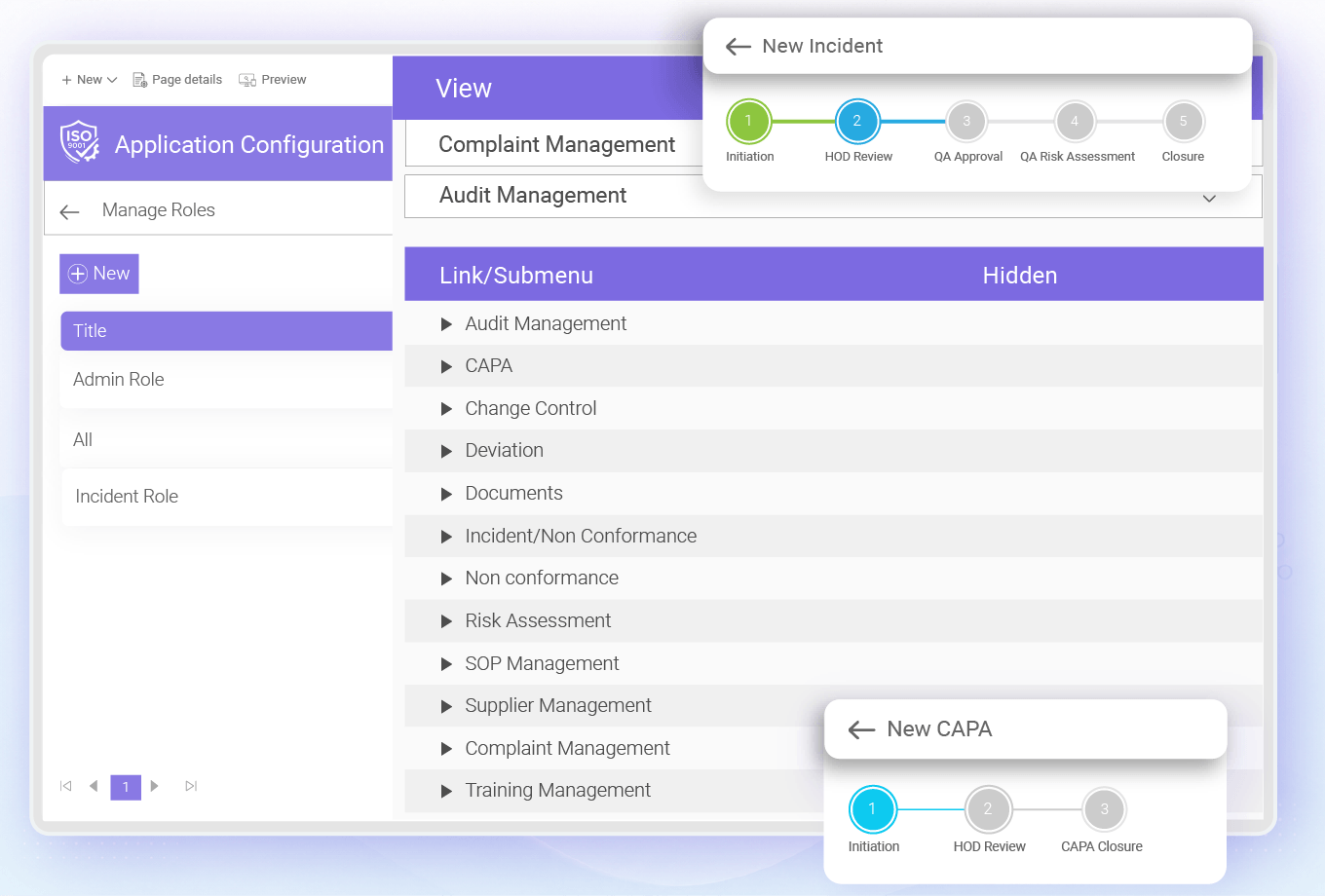
Configurable Quality Workflows
Configure design reviews, risk assessments, change approvals, investigations, and escalations around established procedures.
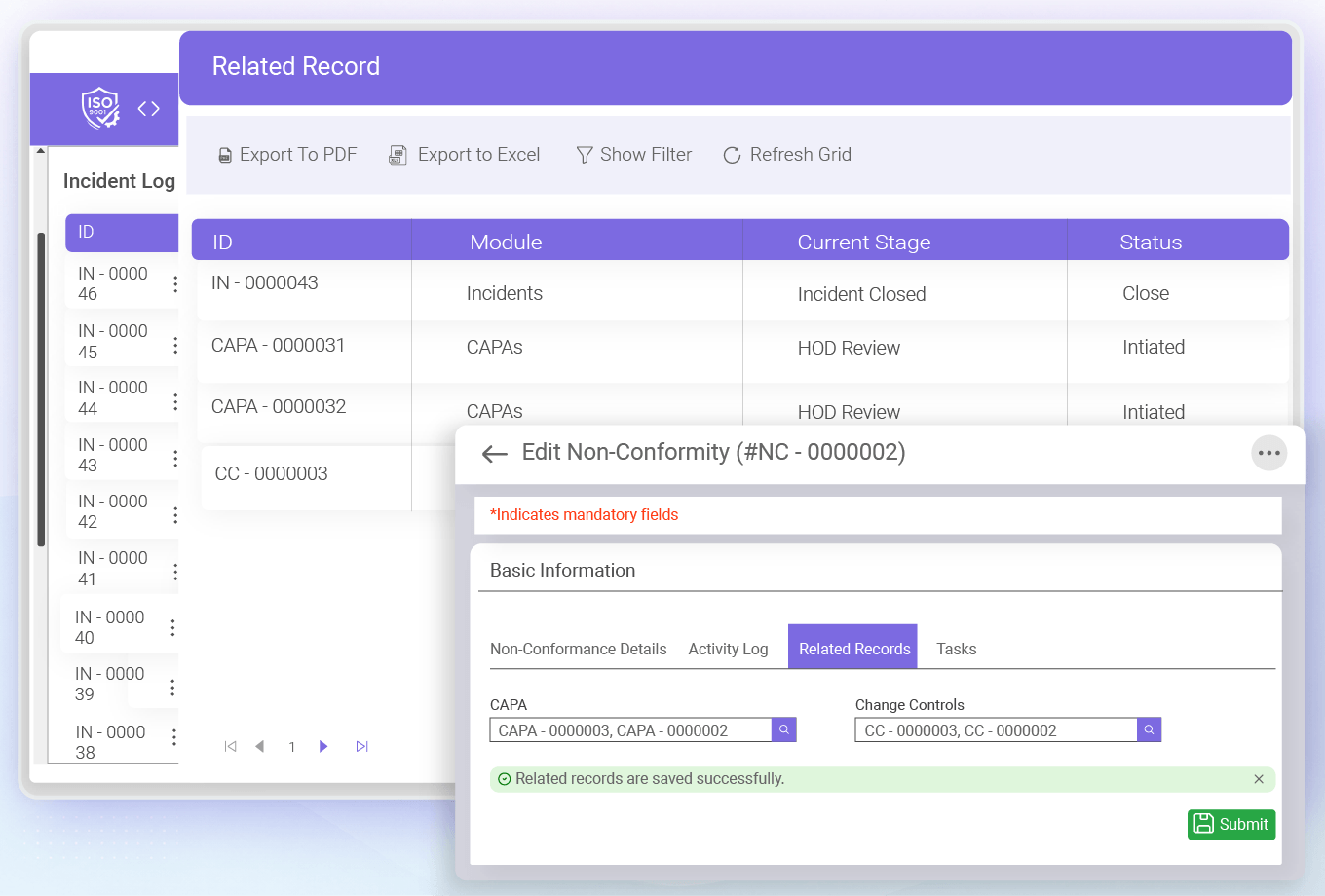
Connected Quality Records
Link risks, changes, inspections, complaints, nonconformances, and CAPAs for complete decision context.
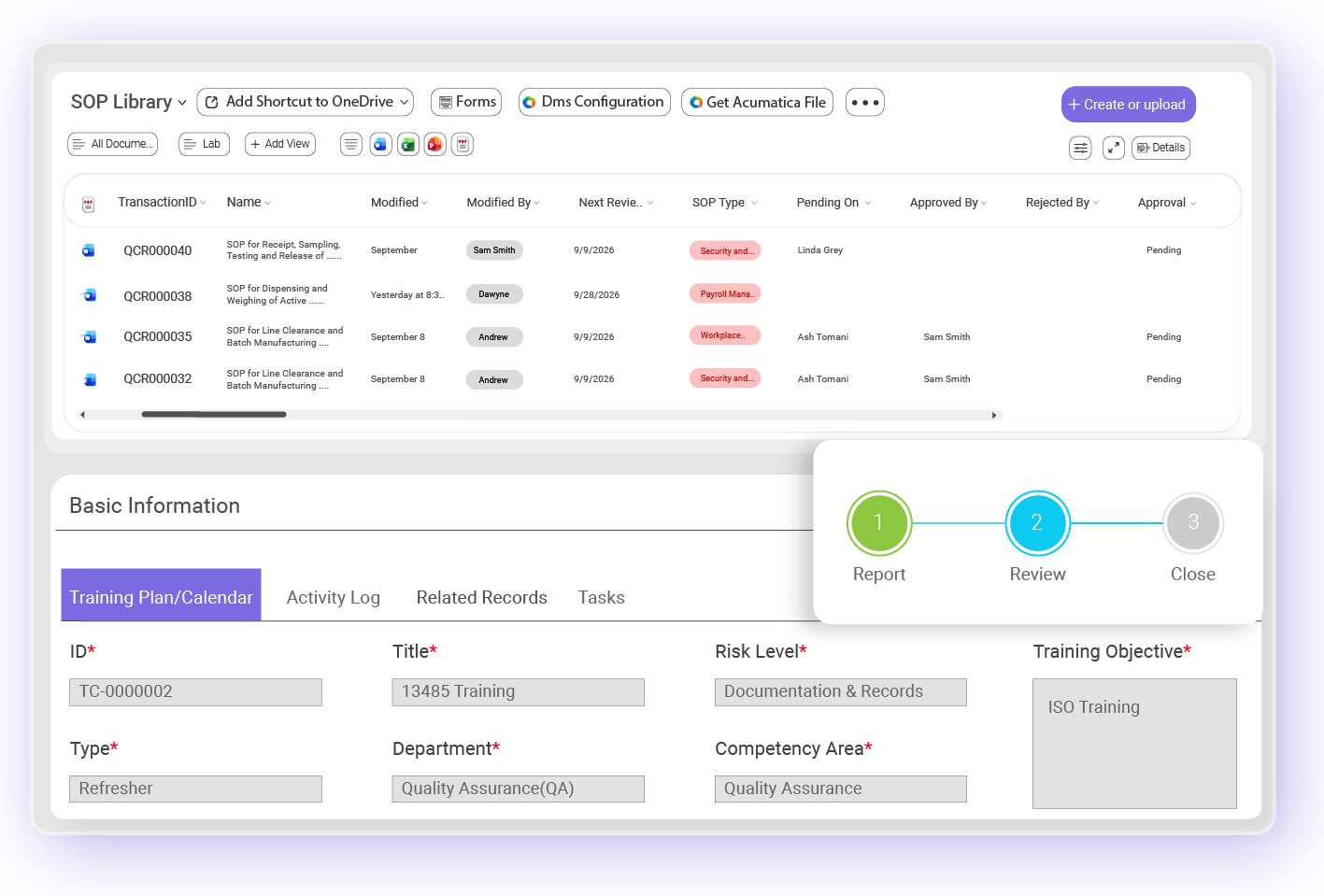
Controlled Documents and Training
Keep specifications, procedures, revisions, approvals, and role-based training current and traceable.
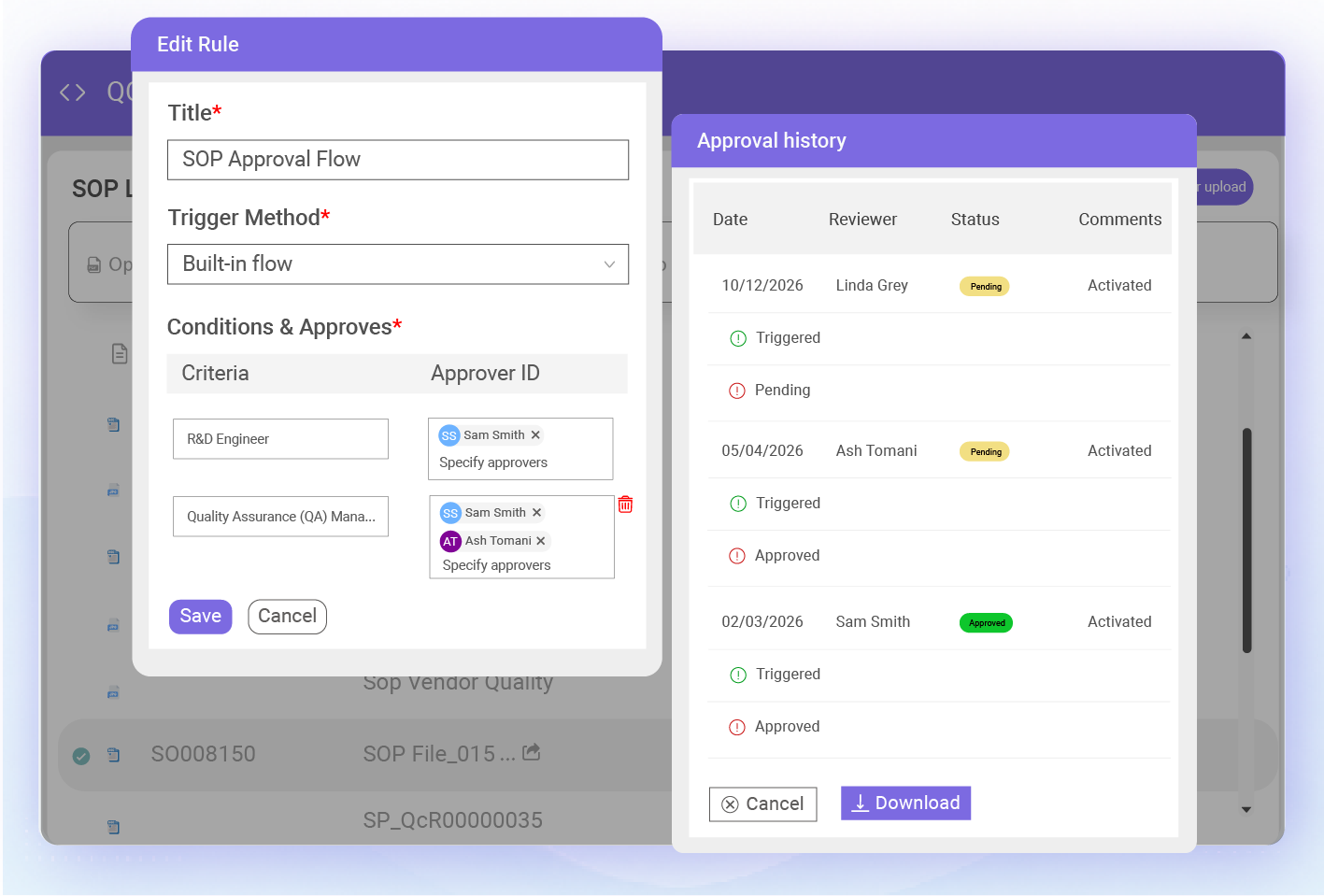
Structured Review and Approval
Route critical records to authorized reviewers and preserve decisions, comments, and approval histories.
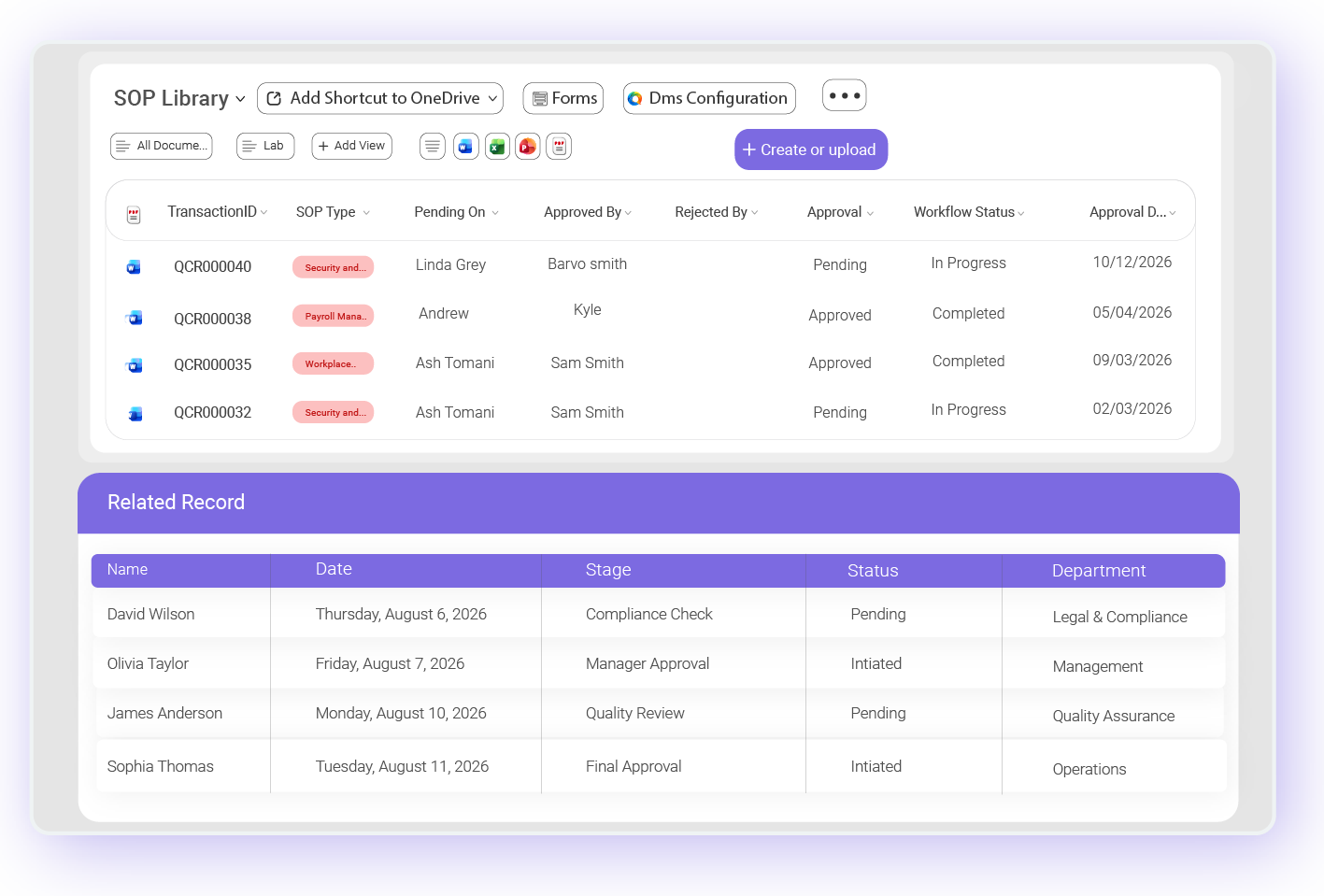
Automated Quality Actions
Assign owners, deadlines, reminders, and escalations for reviews, investigations, and corrective activities.
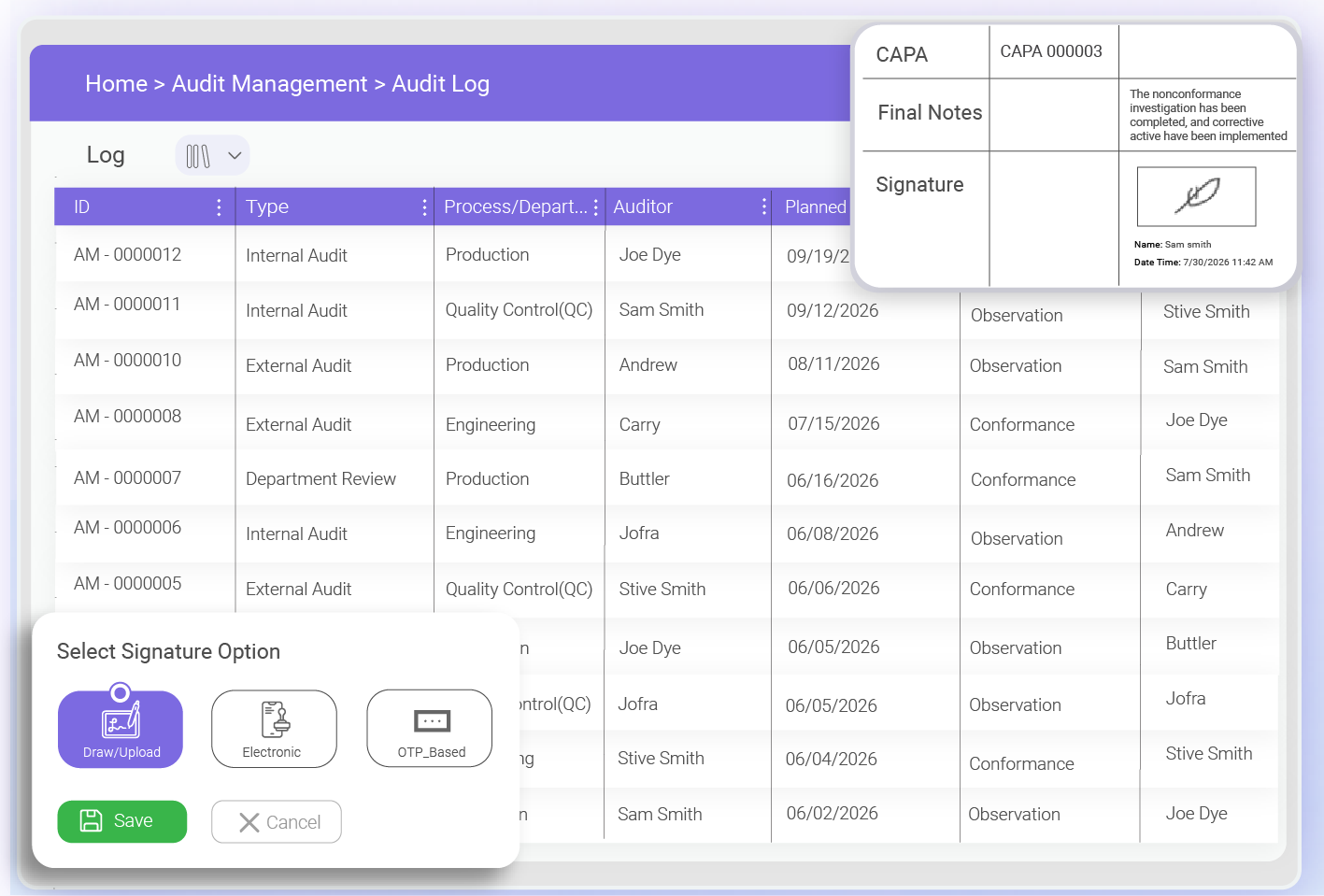
Electronic Signatures and Audit Trails
Capture attributable approvals and user actions within secure, time-stamped record histories.
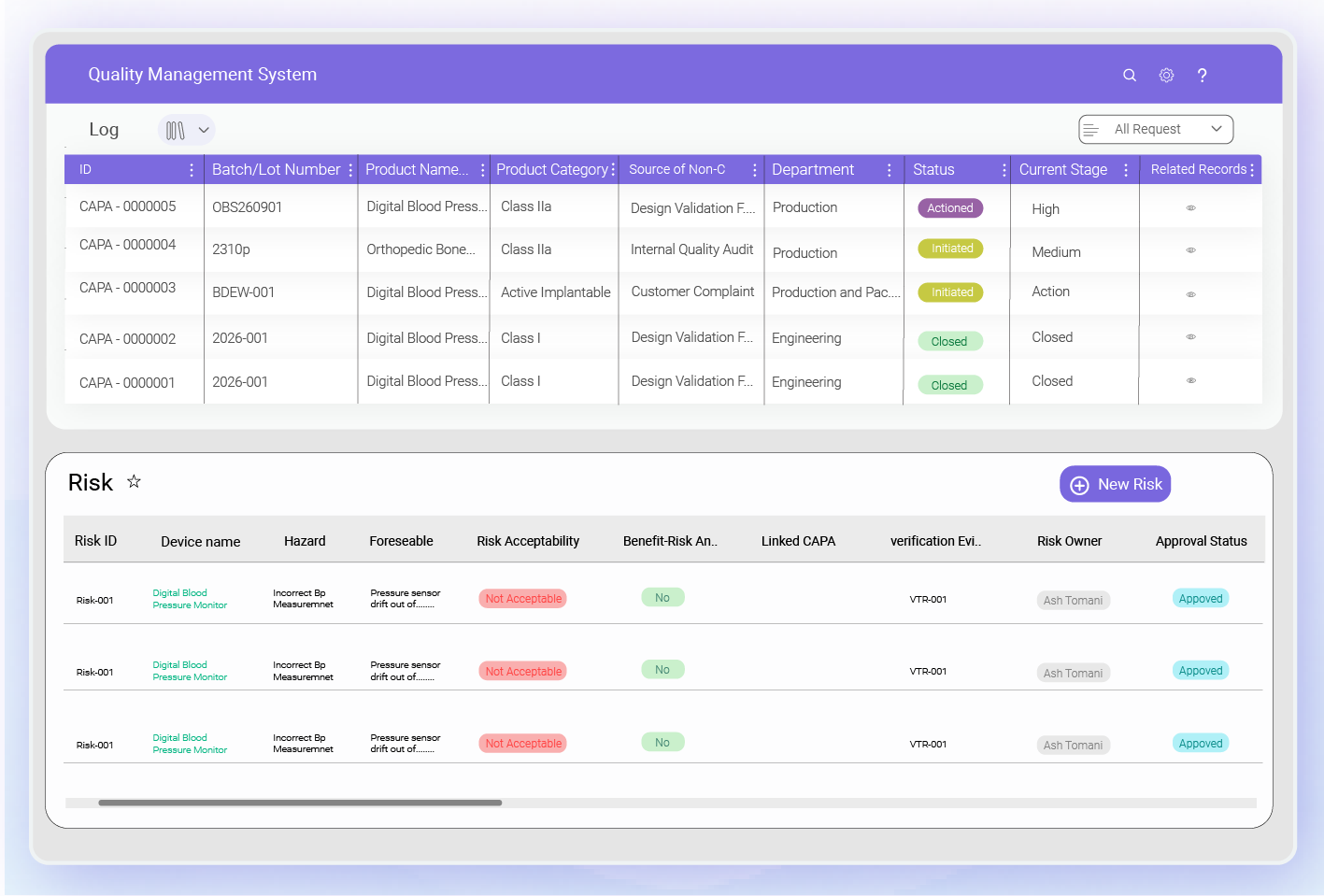
Risk and Quality Intelligence
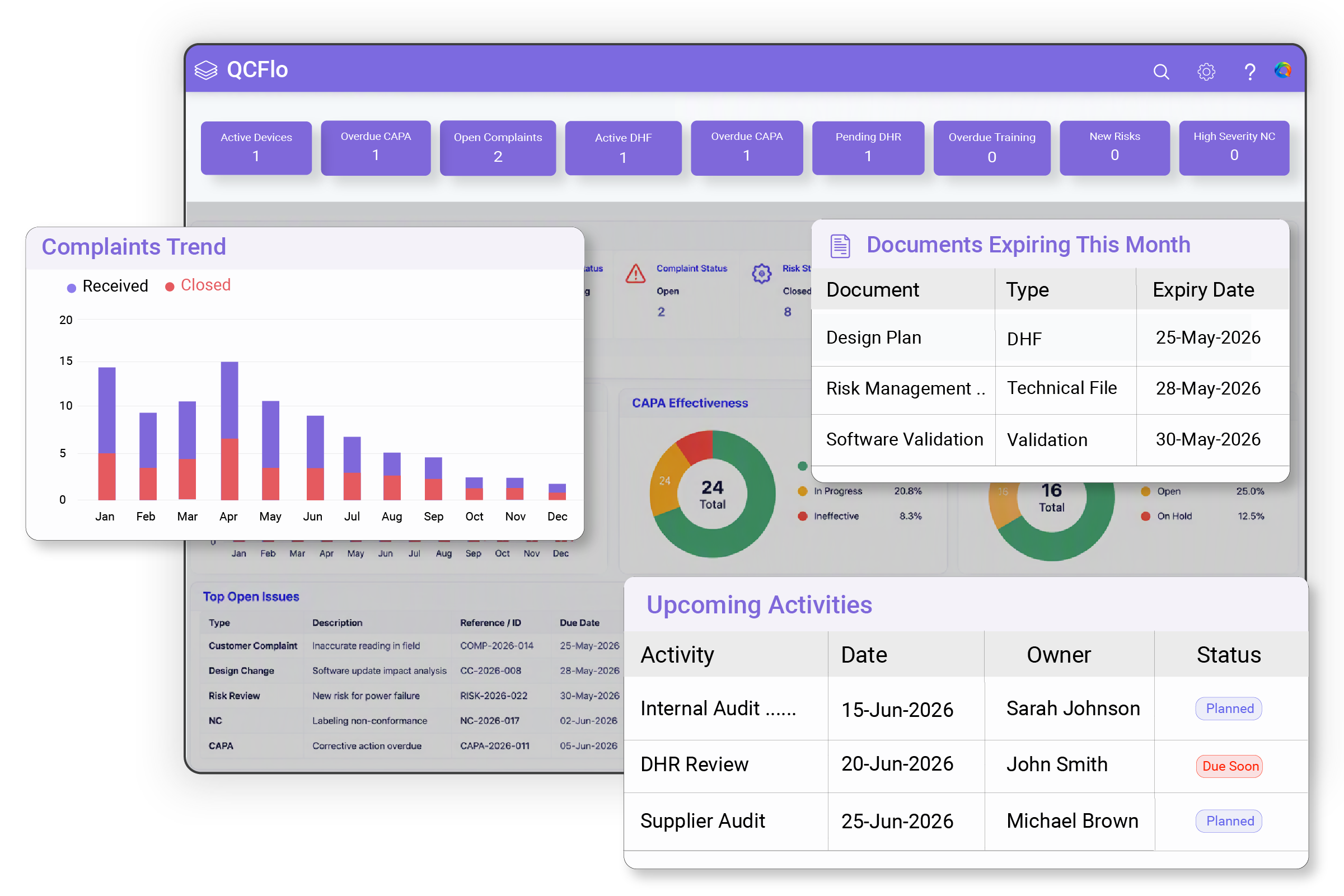
Monitor complaint trends, recurring nonconformances, supplier performance, aging CAPAs, and emerging risks.
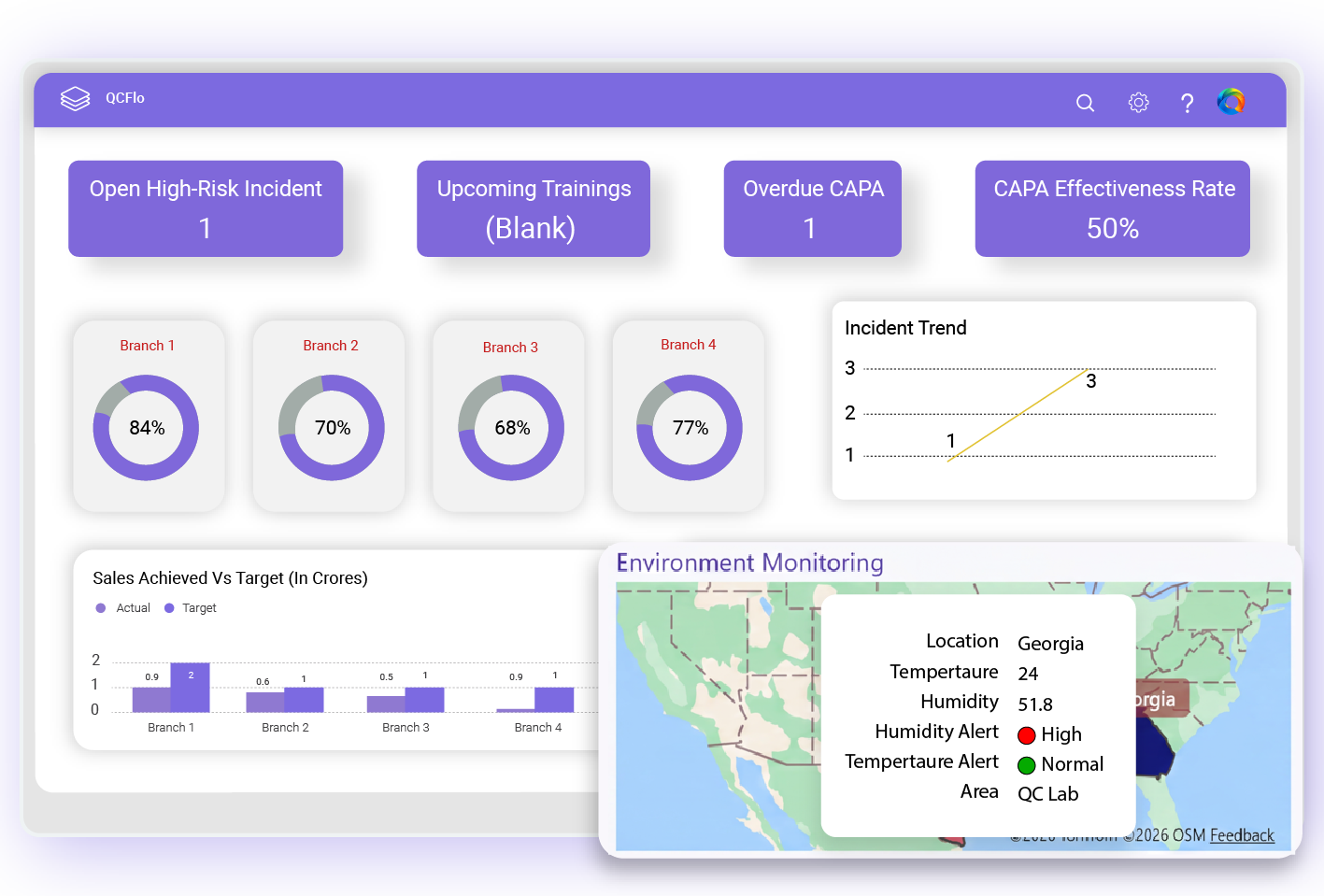
Multi-Site Quality Governance
Apply common controls across facilities while preserving approved product and process differences.
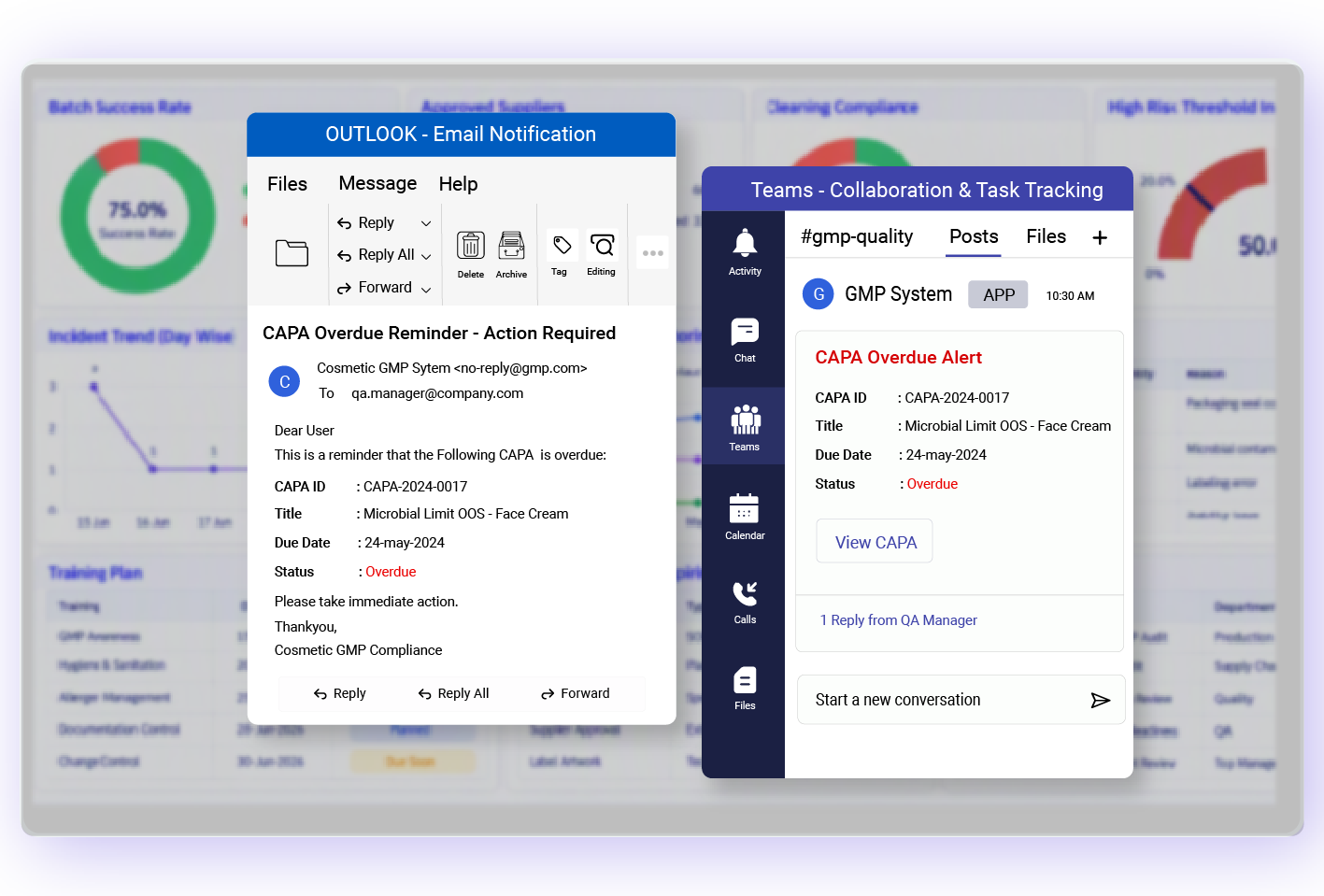
Enterprise System Connectivity
Connect supported business and operational systems to improve quality-data access and continuity.
How QCFlo Supports Quality Across the Medical Device Lifecycle
Connect quality evidence across device development, production, and post-market performance to keep every review, decision, and improvement controlled, informed, and traceable.
01
Design Planning and Development
Coordinate intended use, user needs, design inputs, outputs, reviews, approvals, and changes while preserving traceability across the complete design and development process.
02
Lifecycle Risk Management
Evaluate hazards, risk controls, and residual risks as design, production, complaint, and post-market information develops throughout the medical device lifecycle.
03
Verification, Validation, and Design Transfer
Organize verification and validation evidence, resolve discrepancies, and coordinate approved specifications, procedures, and training as the design transfers into controlled production.
04
Supplier and Production Quality
Connect supplier qualification, incoming inspections, production checks, deviations, and nonconformances with the investigations and responses needed to protect device quality.
05
Device History Record (DHR) Management
Organize and maintain traceable device production and inspection records, linking relevant manufacturing evidence, test results, and approvals to support DHR completeness, review, and release decisions.
06
Post-Market Monitoring and Lifecycle Improvement
Evaluate complaints, malfunctions, service findings, audit results, and production trends to initiate CAPAs, update controls, target training, and drive measurable improvements across the device lifecycle.
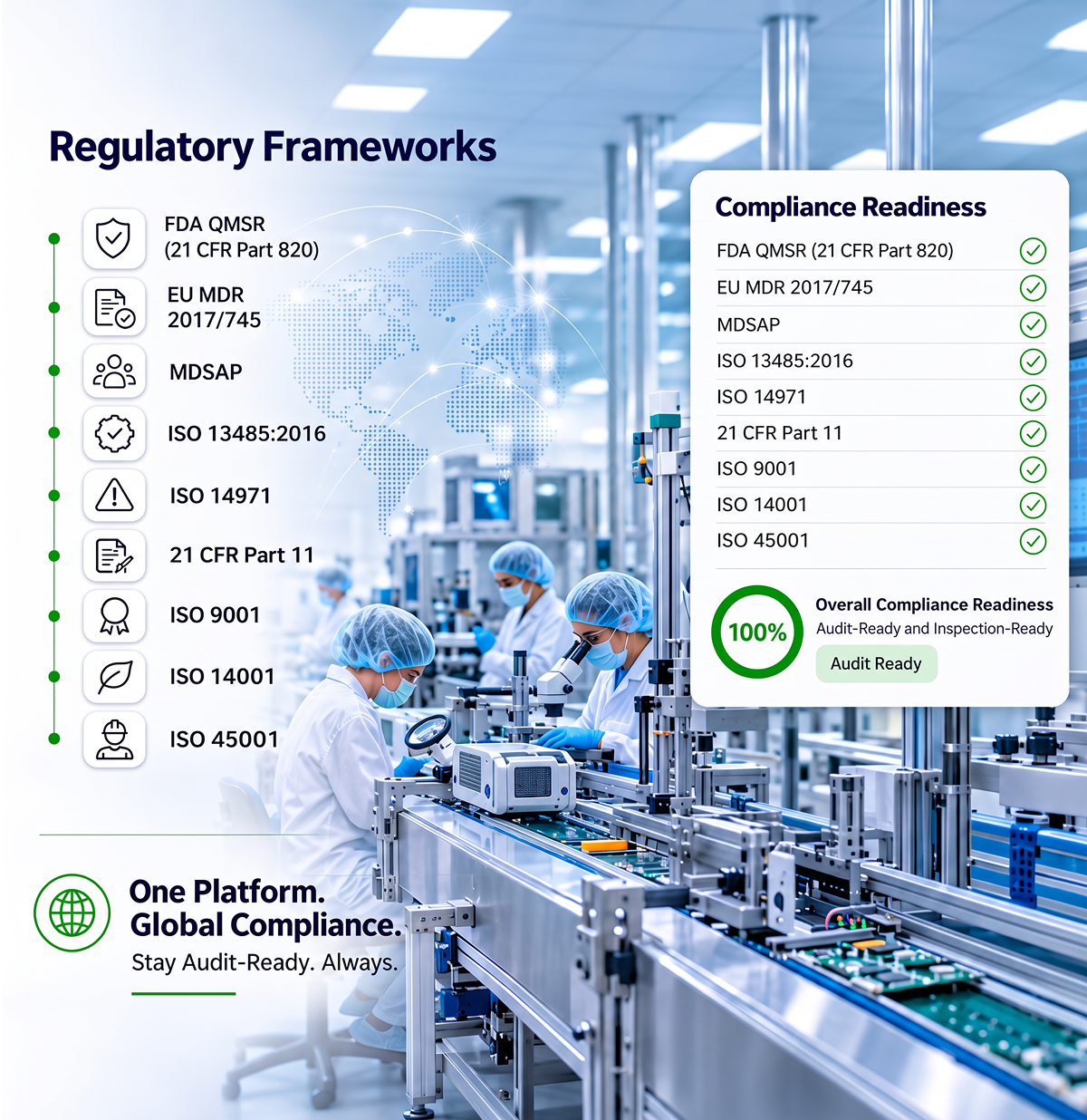
Stay Ready for Medical Device Compliance Requirements
Configure QCFlo around the standards, regulations, and audit programs relevant to your medical devices, quality system, and intended markets.
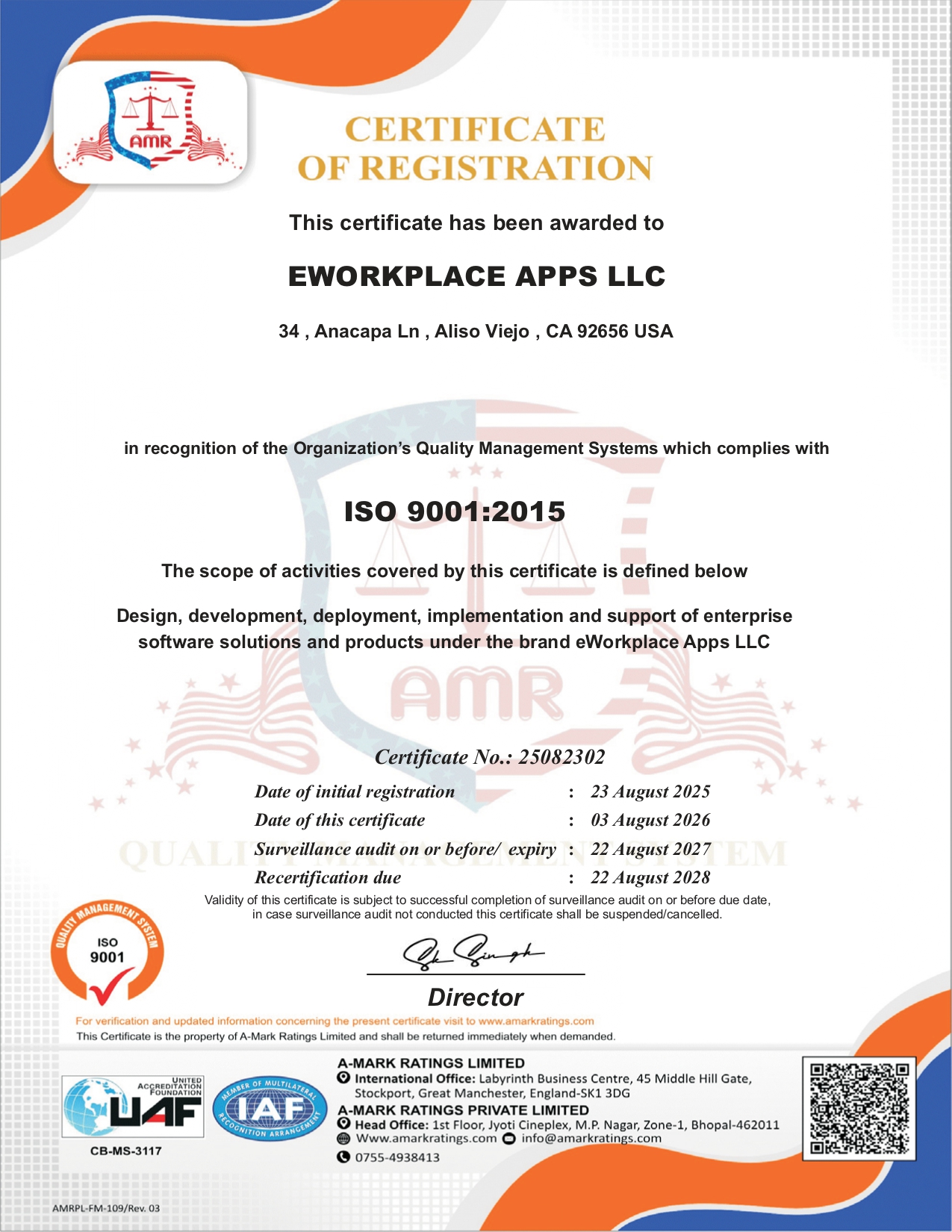
Build on an ISO 13485 Foundation
Structure document control, training, supplier management, risk-based activities, audits, complaints, nonconformances, and CAPAs to support ISO 13485-aligned quality processes.
Support Key Market Requirements
Maintain controlled workflows and records applicable to FDA QMSR under 21 CFR Part 820 and the EU Medical Device Regulation 2017/745. FDA QMSR incorporates ISO 13485:2016 by reference while retaining additional FDA
Strengthen MDSAP Audit Readiness
Keep quality-system evidence organized for audits addressing the applicable requirements of regulatory authorities participating in the Medical Device Single Audit Program (MDSAP).
Extend Your Compliance Framework
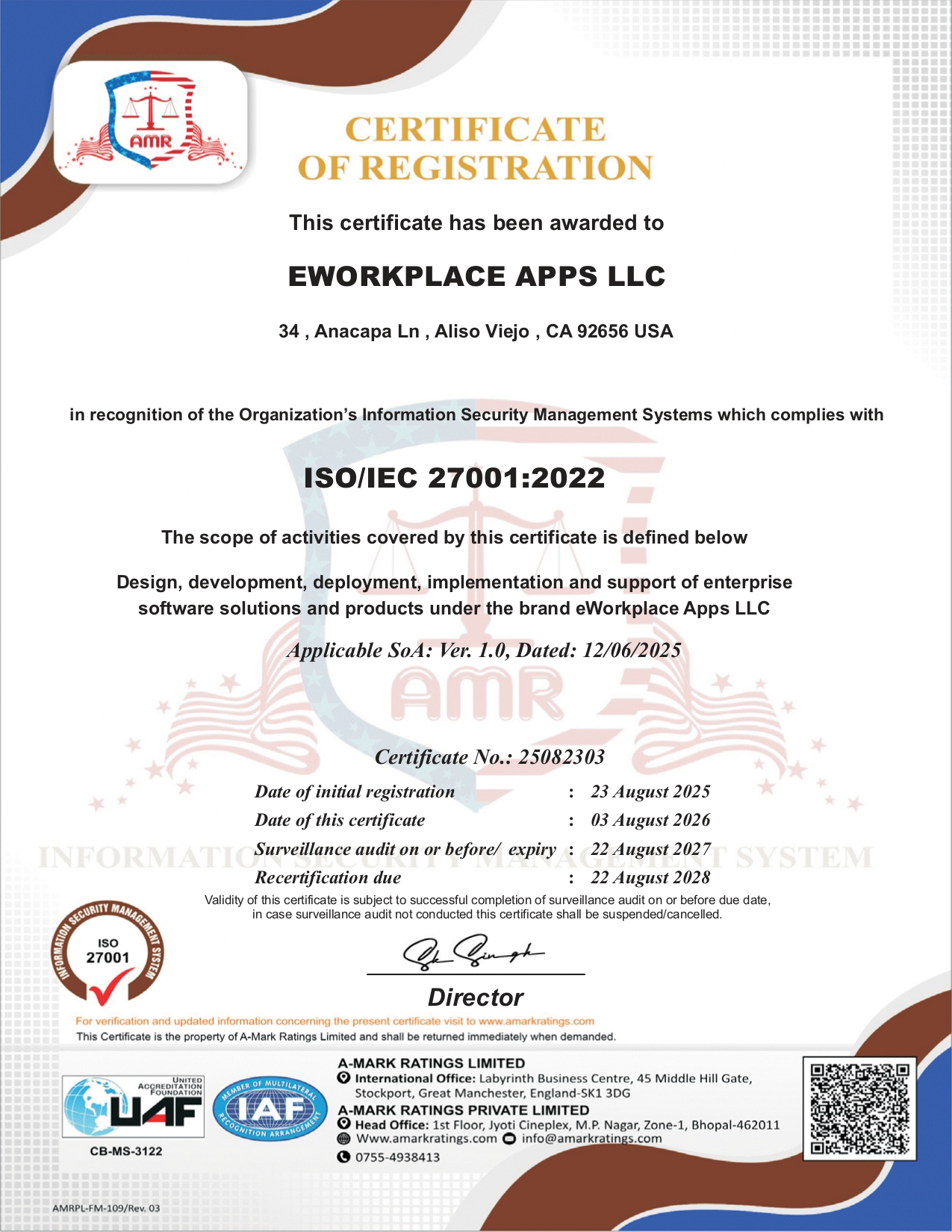
Configure supporting processes for ISO 14971 risk management, ISO 9001 quality, ISO 14001 environmental, ISO 45001 occupational health and safety, and applicable 21 CFR Part 11 electronic record and signature requirements.
AI-Powered Capabilities for Medical Device Quality Management

AI-Powered Quality Event
Automation
- Identify and classify quality issues from designated emails and Microsoft Teams channels or chats.
- Extract relevant details and initiate formal quality events directly in QCFlo.

AI-Powered Quality Data & Document Intelligence
- Find quality records and controlled documents using natural-language queries.
- Summarize documents and generate insights from quality data with role-based access.

AI-Assisted Compliance
Knowledge
- Find relevant standards, regulations, procedures, and compliance guidance.
- Explore connections across quality and compliance information to support informed decisions.
Connect the Functions Behind Device Quality
Bring the teams responsible for device design, production, oversight, and field performance into a coordinated quality environment.

Regulatory Affairs Teams
Access the evidence and decision histories needed for reviews, inspections, and market responsibilities.

Design Assurance and Engineering Teams
Participate in requirement reviews, risk evaluations, design changes, and product investigations.

Supplier Quality and Manufacturing Teams
Manage incoming concerns, production findings, dispositions, and assigned responses.

Business Leaders
Receive the quality intelligence needed to prioritize resources, review performance, and guide improvement.

Suppliers and Contract Manufacturers
Collaborate on assigned quality activities while maintaining clear information boundaries.
Get a focused product walkthrough based on your devices, quality processes, regulatory priorities, and operational requirements.
FAQs
What is medical device QMS software, and which quality processes does it manage?
Medical device QMS software brings documents, training, suppliers, risks, audits, complaints, and CAPAs into one system, helping manufacturers control quality activities, maintain reliable records, and prepare for reviews.
What are the benefits of an integrated eQMS for medical device companies?
An integrated eQMS connects related quality information, reduces manual follow-ups, improves traceability, and gives teams clearer visibility across design, production, supplier, audit, and post-market activities throughout the medical device lifecycle.
What features should medical device manufacturers look for in QMS software?
Look for configurable workflows, document control, electronic signatures, audit trails, role-based access, connected records, reporting dashboards, automated reminders, multi-site support, and integration options that fit your existing business systems.
Which modules are essential for medical device quality management?
Essential modules typically include document control, training, supplier quality, risk management, change control, inspections, nonconformance, complaint management, audits, and CAPA. The right combination depends on each manufacturer’s products, operations, and requirements.
How should manufacturers choose QMS software for medical device compliance?
Evaluate regulatory support, configurability, usability, record traceability, security, scalability, integrations, and implementation services. The system should fit your approved quality processes without adding unnecessary complexity or administrative work.
How does QCFlo support ISO 13485, FDA QMSR, EU MDR, and MDSAP requirements?
QCFlo can be configured to support controlled processes and records relevant to ISO 13485, FDA QMSR, EU MDR, and MDSAP, helping teams organize compliance responsibilities and maintain audit-ready evidence.
How does QCFlo connect design, risk, complaints, nonconformances, and CAPAs?
QCFlo links related quality records, helping teams evaluate design changes and risks alongside complaints, nonconformances, investigations, and CAPAs while preserving the supporting context, evidence, and reasoning behind important decisions.
Is QCFlo suitable for small and growing medical device manufacturers?
Yes. Small manufacturers can begin with priority modules and expand as products, teams, locations, and regulatory needs grow. Configuration helps align the system with available resources and established quality processes.